
The Spring Quarter: Where the Land Leads
Spring has arrived at Strete Farm with a sense of movement. After a full winter of steady work, the farm is beginning to hum again. As grasses lift and livestock shift, it’s thrilling to sense new cycles underway.
A first season of turkeys
This Christmas marked our first turkey season. We reared poults (young turkeys) on organic feed throughout, and on fresh pasture until avian flu restrictions brought them indoors for safety.
It was a pleasure to provide traditional, seasonal food for so many local families, and something we look forward to doing again in years to come.
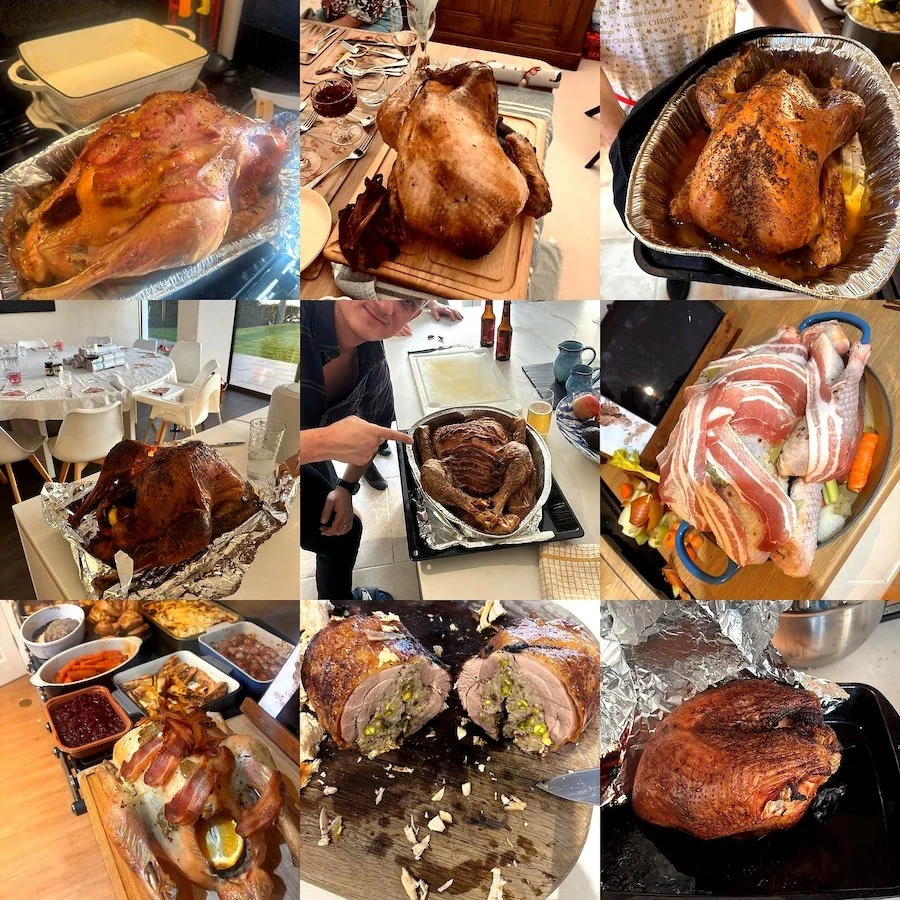
Free-range turkey taking centre stage this Christmas
Looking after the land in winter
We kept our animals in the fields throughout the winter months, rather than housing them indoors. This approach, known as outwintering, provides animals with greater freedom, a variety of feed and opportunities to exercise. It also allows nutrients to return directly to the land, supporting ecosystem health, beginning with the soil.
Our first full season of outwintering has proven successful. Through bale grazing and regular movement of livestock, we have protected soil structure during the wet months while continuing to care for the animals.
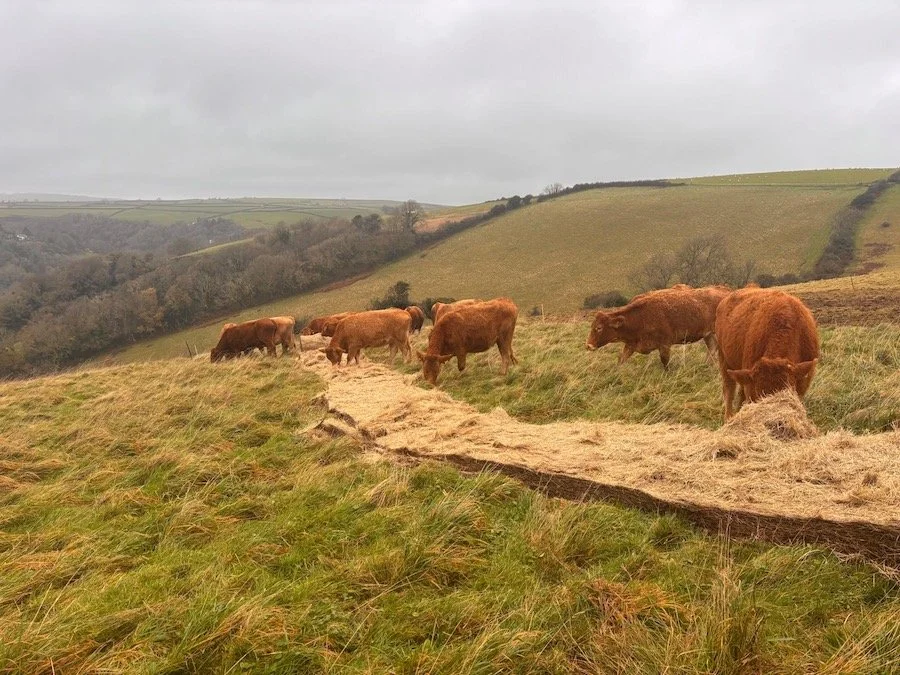
Livestock bale grazing in winter fields at Strete Farm
Lambs to market
At market, we achieved heartening prices for last year’s lambs, reflecting both their quality and a growing demand for well-produced, locally raised food. Catching up with local people, and those from further afield, is a great pleasure of farming. These relationships, both at market and directly with customers, are a vital and sustaining part of the farm’s future.
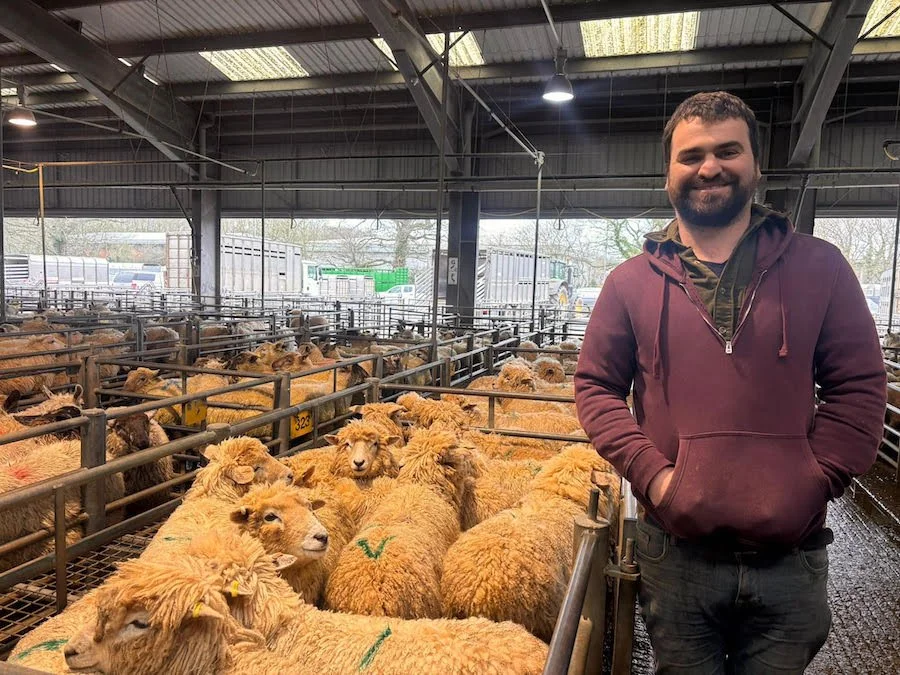
Farm manager, Pete, with Strete Farm lambs at market
Making space for better grazing
Over the winter, we took on additional grassland, expanding our grazing area and giving us more room to manage livestock in ways that support both animal welfare and soil health.
More space allows us to move animals regularly, preventing overgrazing and giving grass time to recover. This helps build healthier soils, which in turn grow more resilient pasture and support better nutrition for the animals.
It’s an important step in growing the farm at a pace the land can sustain.
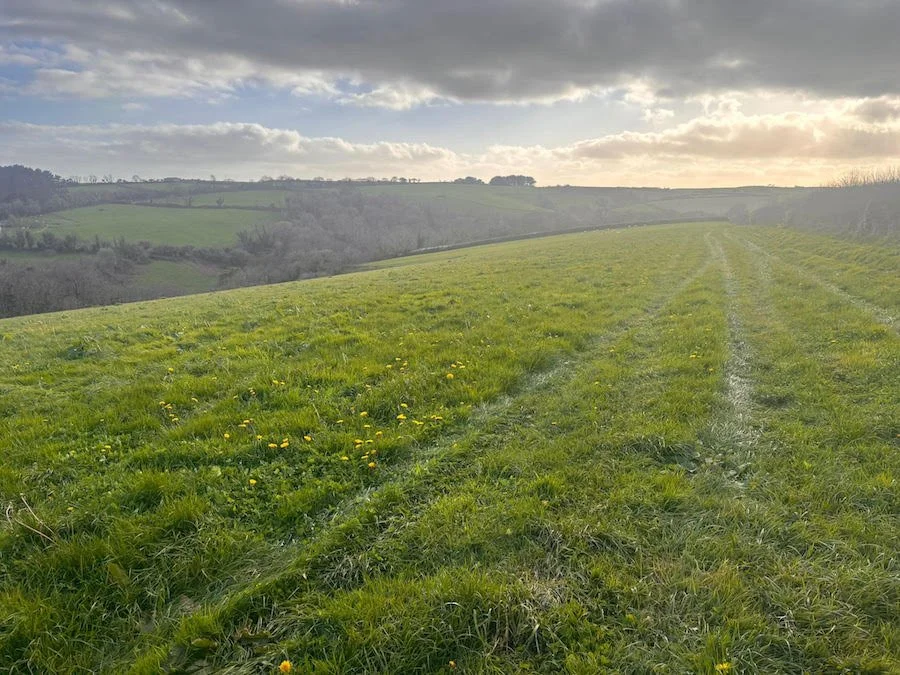
New grassland at Strete Farm in early spring
Pastures new
Across the fields, the herbal leys drilled in the autumn are now establishing well. These mixed pastures include grasses such as fescue, timothy and cocksfoot, alongside deep-rooting herbs and legumes, including sainfoin, lucerne, bird’s-foot trefoil, chicory, yarrow, plantain and sheep’s burnet.
Each plays its part. Deep-rooting plants help open the soil and draw nutrients from below, improving resilience in both wet and dry conditions. Legumes such as sainfoin, clover and bird’s-foot trefoil naturally fix nitrogen, building fertility without artificial inputs, while grasses provide reliable grazing and protect the soil surface.
In many ways, these pastures echo the diverse meadows that once shaped the Devon landscape. Many of these plants have long been valued as natural remedies, and animals instinctively select from this variety to balance their diet. The result is healthier livestock, richer soils, and fields that are not only productive but alive with wildlife and seasonal colour.
Over time, this diversity helps restore soil health, support pollinators and produce more nutritious, pasture-fed meat in balance with the wider environment.
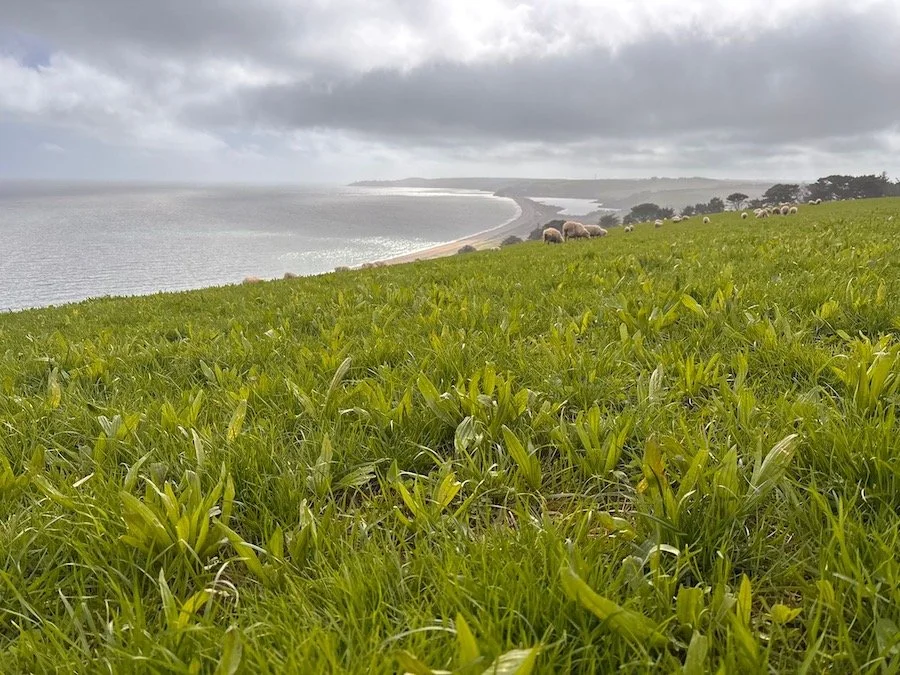
Mixed grasses and herbs establishing in spring pasture
Beginning organic conversion
We have begun the process of organic conversion. While we are already farming in line with organic principles, formal certification takes time. The conversion period typically lasts around two and a half years, during which practices are monitored and records kept to ensure standards are met.
It is a gradual but important step and a natural progression in our commitment to farming with care, transparency and long-term responsibility.
Organic certification process underway at Strete Farm
Lambing season
Lambing has begun, bringing long days and close attention to the flock. Our ewes lamb outdoors as a rule, with additional care in the barn given where needed. It is a busy and rewarding time, marking the start of a new generation on the farm.
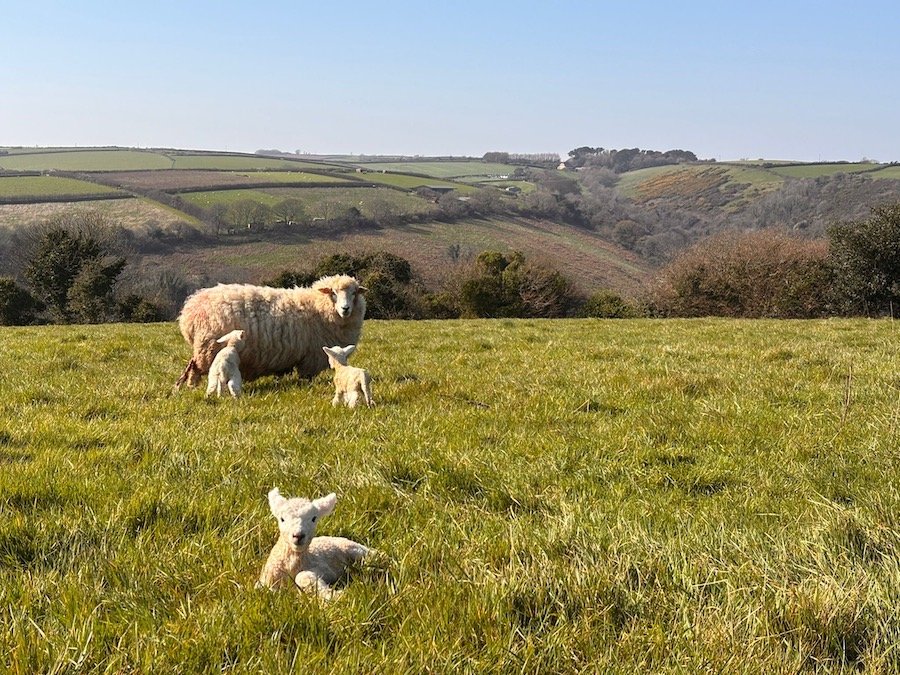
Newborn lambs with their mother in spring pasture
Preparing for calving
This year will mark our first spring calving, with cows and heifers in good condition ahead of the season’s start. These moments of arrival shape the herd and the rhythm of the year ahead.
With last year’s calves now weaned and growing strong, we’re monitoring their progress carefully, weighing them regularly to track growth and overall condition. This helps us make informed decisions and ensure the animals remain healthy and thriving.
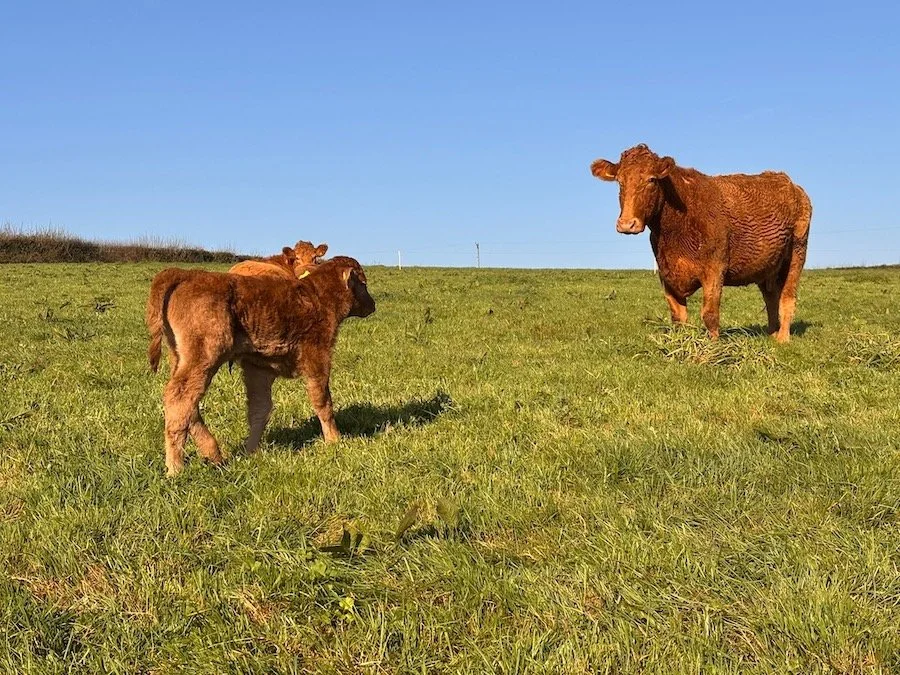
Young calves grazing and growing at Strete Farm
Looking ahead
As the days lengthen, the farm’s activity continues to gather pace. There is a lot to do, but also so much to enjoy in the return of growth, the arrival of new life, and the ongoing work of stewarding this land well for future generations.
Thank you for reading and joining our adventure. We’ll be sharing more as the seasons unfold, and we’d love to hear from you.